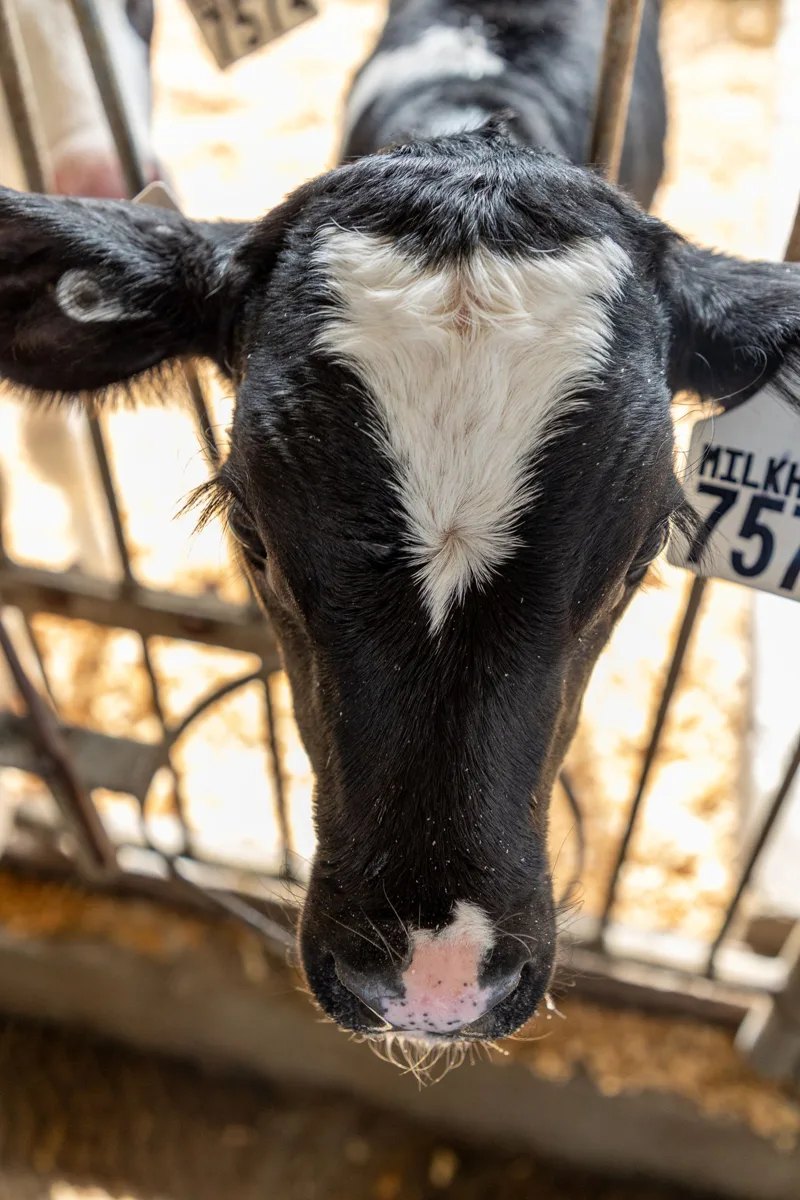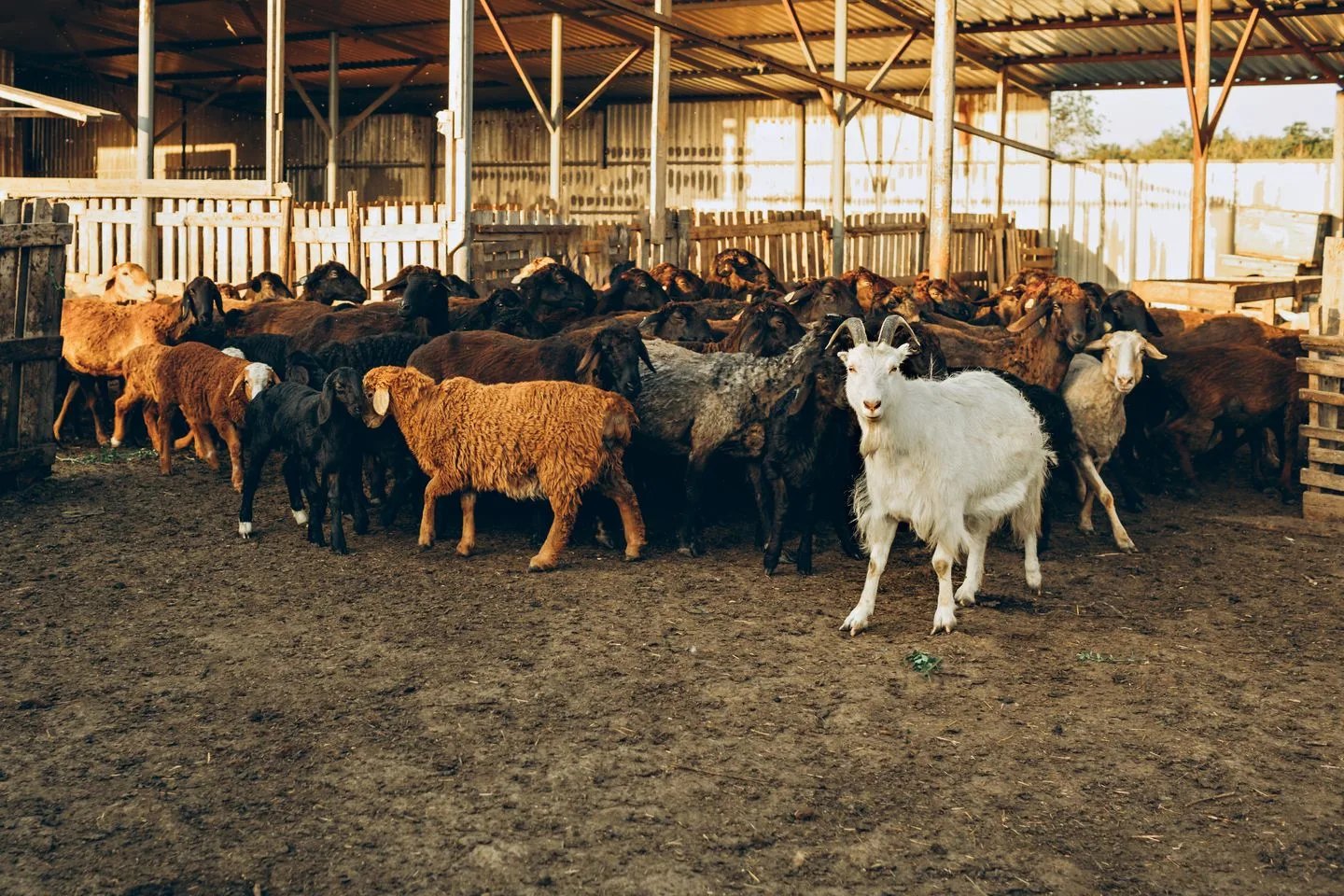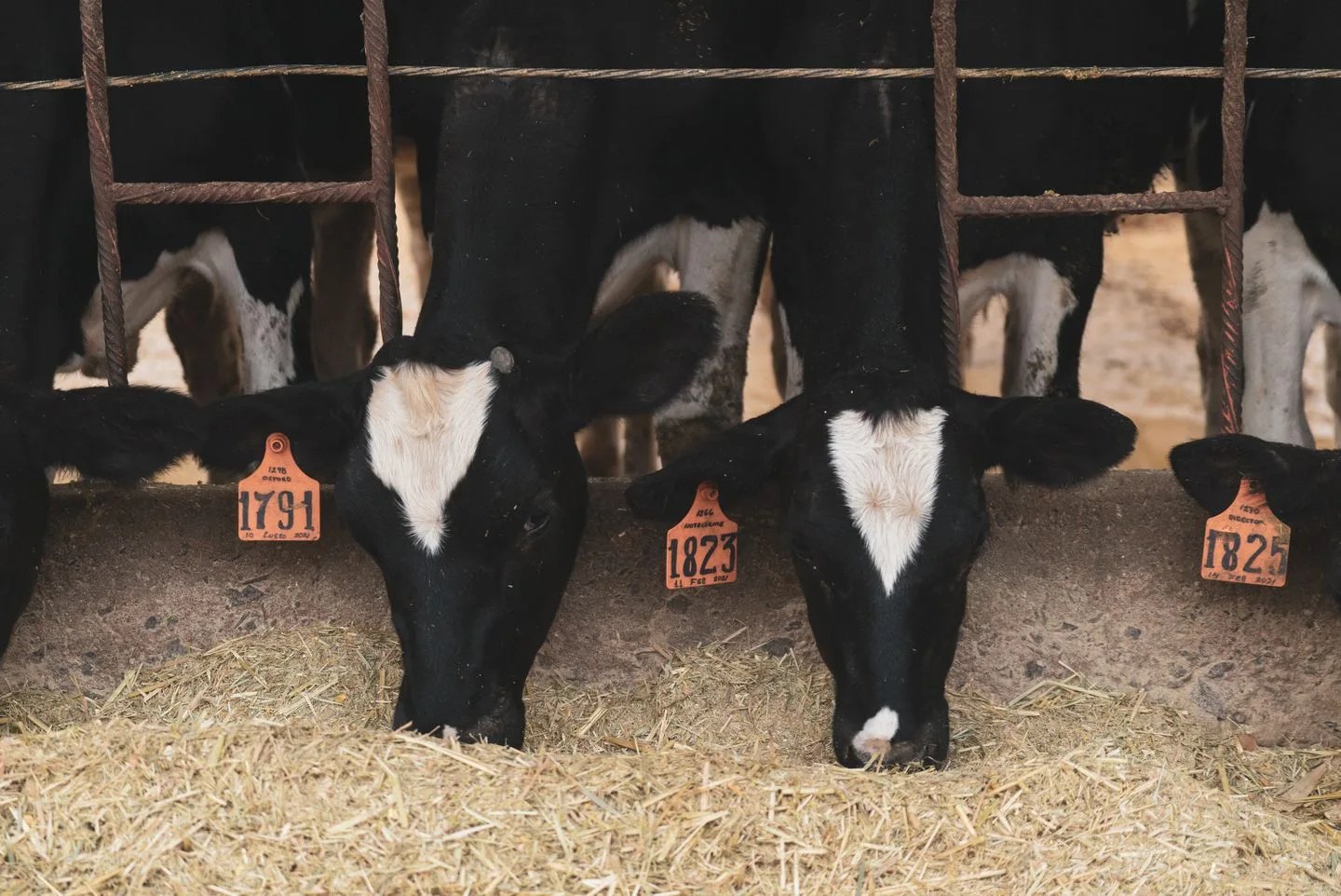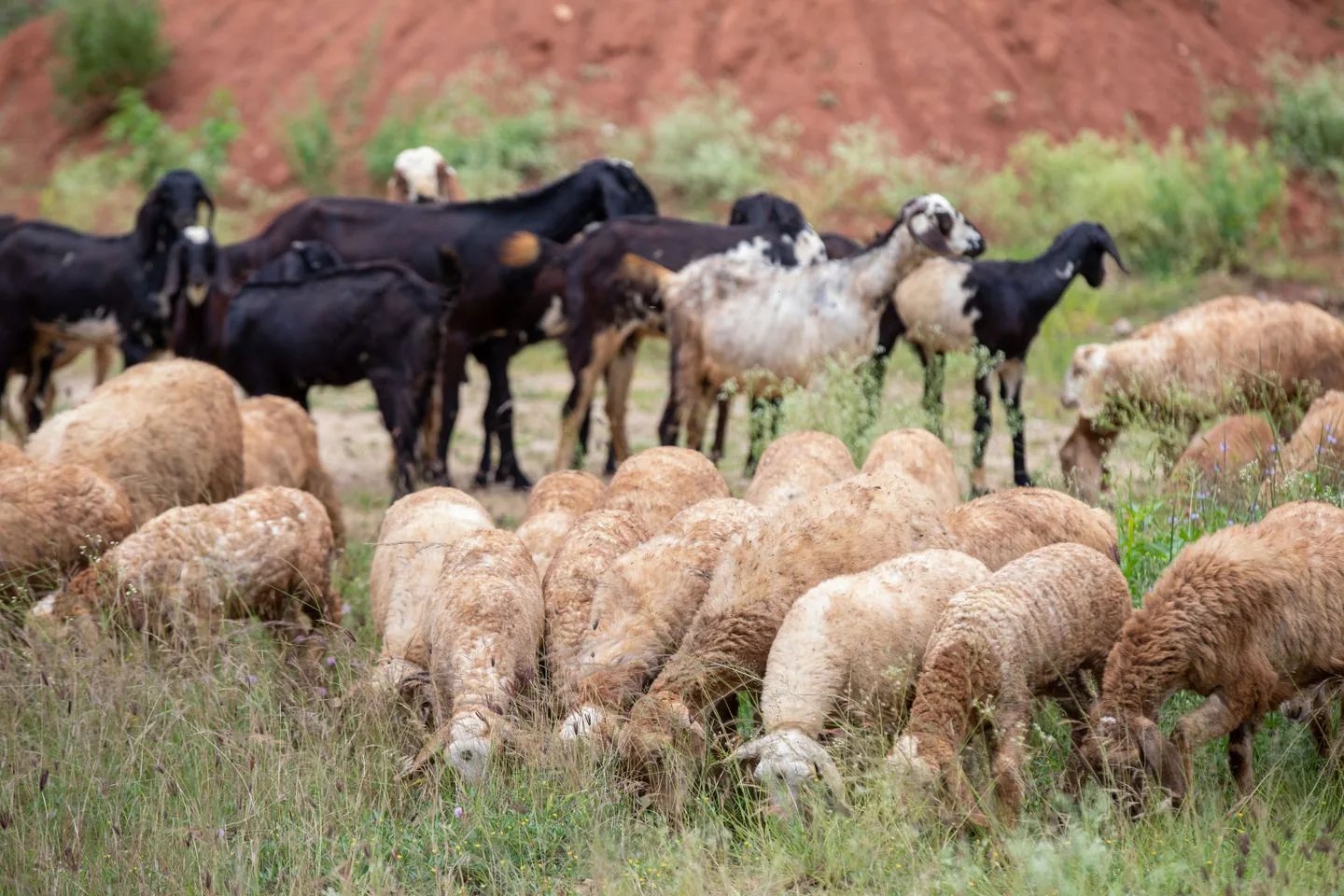
Sheep and goat births: match mothers and offspring. Build a consistent record of mother identity, birth date, offspring count and identities, observation note and review birth count, live offspring records, unmatched identities over time.
Good recordkeeping is more than collecting data. It connects each event to the right identity, date and source so you can review what happened. This guide offers a practical starting point for herd managers and field teams. It supports record organization; it does not replace expert assessment, official records or professional decisions.
1. Define the scope and responsibility
Identify the business, parcel, animal, flock, hive or patient the record belongs to. Include the event date and responsible person. Consistent names and identifiers prevent several people from recording the same event under different identities.
Start with a small sample from your existing records. Try one week and check that everyone uses fields with the same meaning. Keep identity, date, quantity and unit complete without making unused fields mandatory.
2. Include the essential fields
Start with mother identity, birth date, offspring count and identities, observation note. Use short, clear labels. Always store the unit alongside a quantity: a number alone cannot distinguish litres, kilograms, items, area or currency.
The event date may differ from the entry date. Preserve the actual event date when recording yesterday’s work today. When correcting a record, retain who changed it, when and why.
| Record field | Why it matters | Check |
|---|---|---|
| mother identity | Matches the correct record | Is mother identity clear and verifiable? |
| birth date | Clarifies time and scope | Is birth date clear and verifiable? |
| offspring count and identities | Enables comparison | Is offspring count and identities clear and verifiable? |
| observation note | Retains the source | Is observation note clear and verifiable? |
3. Review daily records each week
Daily entry and weekly review serve different purposes, even if one person does both. Enter promptly and accurately, then review missing dates, unusual changes and open tasks. A missing record is not the same as a measured zero.
Ask whether records are complete, whether there is a significant change from the previous period and whether anything awaits assessment by a responsible person or specialist. Connect the record to the work plan.
4. Follow meaningful indicators
Begin with birth count, live offspring records, unmatched identities. Use the same definitions and units each period. When animal count, parcel area, flock age or recording duration changes, compare rates or per-unit values alongside raw totals.
An increase or decrease does not explain its cause. First check completeness, date ranges and units; then consider environmental, equipment, market or health context with the appropriate specialist.
5. Avoid common recording mistakes
Post-birth health assessment and treatment are veterinary responsibilities. For urgent, uncertain or regulated matters, contact the appropriate professional without waiting to finish entering a record.
- Do not create the same identity twice with different spelling.
- Store kilograms, litres, count, area or currency alongside quantities.
- Keep planned operations separate from completed events.
- Distinguish missing values from measured zero values.
- Link photos and documents to the correct record and date.
- Use individual user accounts rather than shared passwords.
- Retain the reason for corrections and the responsible person.
6. Start with a practical recordkeeping check
Create one sample record in the relevant available module and check that you can find it again using mother identity. Add a second dated event, then check the chronology, notes, documents and responsible person. Ask another authorized user to locate the same record.
After a week, review birth count and live offspring records. If the results differ from your trusted source, check identities, dates and units before adding more records. Apply the same method to other records once it is consistent. See the feature catalogue for modules currently available in Tarliva.
Reliable records start with the correct identity, an explicit date, a visible unit and a responsible person.