Build a usable animal history with consistent identifiers, dated events, weights and a short weekly review.
When an animal's history is scattered across notebooks, messages and spreadsheets, collecting more information is not the first step. Establish one identity for each animal and attach events to it.
1. Create a reliable identity
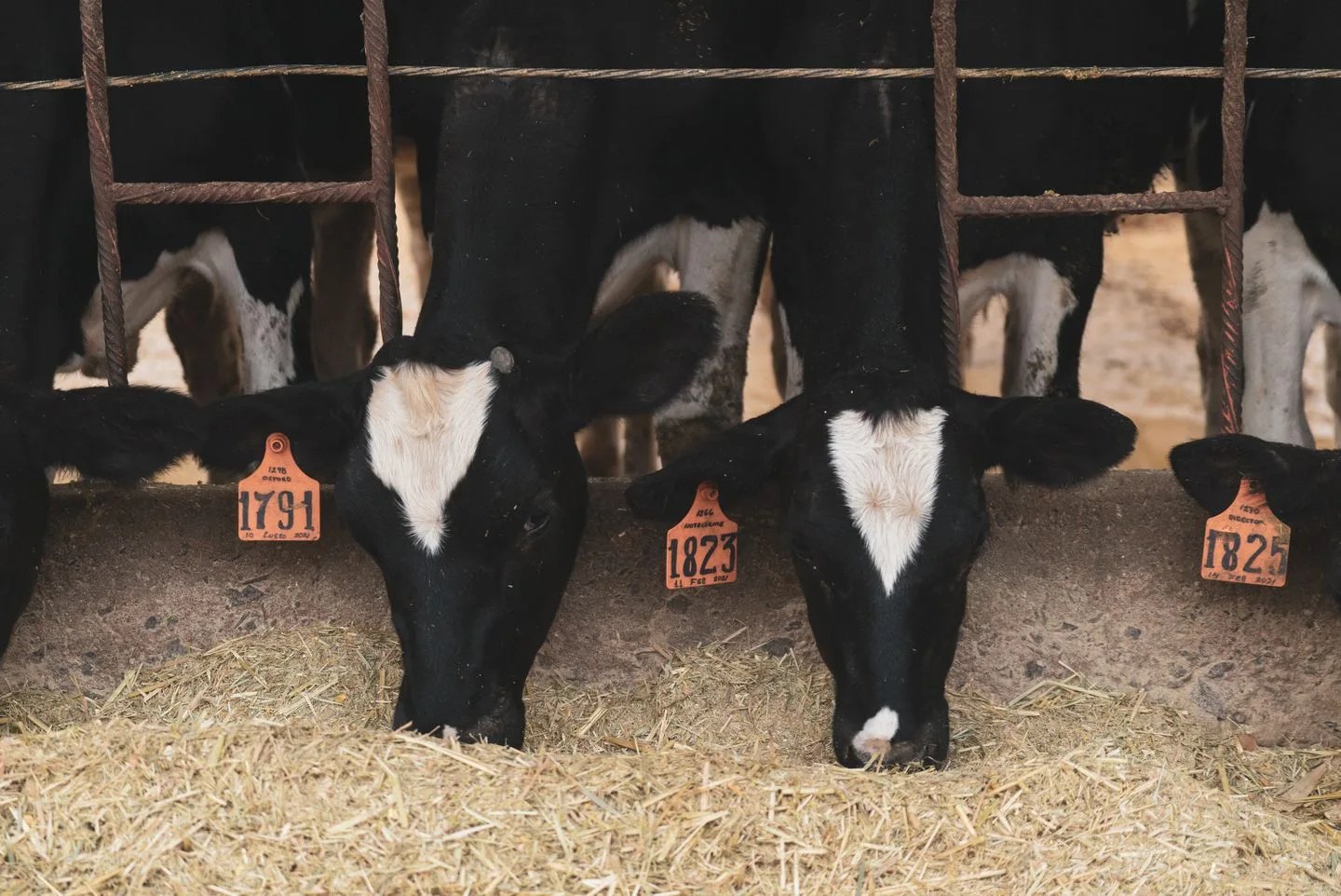
Use an ear tag or a unique farm identifier as the primary key. A name is useful but may be shared by two animals. Search the existing list before creating a new card.
- Identifier, species, breed and sex
- Date of birth, or a note that the date is estimated
- Arrival date, reason for entry and source farm
- Dam and sire identifiers when known
- Current group or housing and active status
2. Record when an event happened
If yesterday's weighing is entered today, the measurement date should still be yesterday. The date of data entry is a separate detail. This makes a timeline of weights, treatments, inseminations and births easier to understand.
For health records, retain the procedure, responsible person and follow-up date set by the veterinarian. A calculated date does not replace a veterinary assessment; this guide is about record organization.
3. Make weight records comparable
Include the measurement date, kilograms, weighing method and any relevant notes. Distinguish an estimate from a scale reading. Compare the elapsed days as well as the difference between two weights.
For example, readings of 210 kg on September 1 and 222 kg on September 16 differ by 12 kg over 15 days. The average change between those readings is 12 ÷ 15 = 0.8 kg/day. That calculation alone is not a health assessment.
4. Keep the history when an animal moves
Change the group on the existing animal card rather than opening another card. Record a sale or departure date instead of deleting its history. Earlier production and cost reports can then be understood in the context of when the animal was on the farm.
A short weekly review
Try the recording routine with a small group before extending it across the farm. Review Tarliva's livestock solution and choose a plan that fits your operation.
- Check for duplicate identifiers.
- Find measurements missing a date or unit.
- Remove departed animals from the active list without deleting their history.
- Assign upcoming follow-up tasks to a responsible person.